
Why I see AI as a tool, an assistant and a way to work better, rather than a replacement for the designer
I started thinking seriously about this after a conversation with a fellow graphic designer who is also a mum. Her daughter is naturally good at drawing and interested in art and design. But instead of encouraging her to pursue it, my friend said there might not be much of a future in graphic design because AI is going to replace designers.
That made me sad and, honestly, a little angry. Is our skill really that replaceable?
I am not pretending that AI is harmless or that our industry will remain unchanged. It is already changing how we work, and it will continue to improve. But I do not believe that means there is no future for graphic designers. I think designers need to understand AI and learn how to use it confidently without handing over the thinking that makes us designers in the first place.
Graphic Designers Are a Little Like Chefs
The easiest way I can explain how I see AI is to compare graphic designers to chefs.
Cooking once depended on a fire, a pan and not much else. Today, we have ovens, air fryers, pressure cookers, food processors and Thermomix machines. These tools make cooking faster and easier, but using an oven does not mean you are no longer a cook.
The cook still decides what to prepare, how the flavours should work together and what the guests will enjoy. A pressure cooker can cook quickly, but it cannot taste the soup and decide that it needs more salt. A Thermomix does not know that one guest hates coriander.
Graphic design is similar. AI can help me brainstorm, generate or adjust images, clean up photographs, create mockups and polish copy. It helps me enormously with writing because, as anyone who knows me will know, writing does not come naturally to me. But the thinking still matters. The designer still needs to understand the client, audience, market and purpose of the work.
“AI will change how designers work, but it does not remove the need for designers to think.”
My First AI Mistake Was Embarrassingly Simple
One of my earliest AI experiments was a straightforward National Day greeting. I asked for a Singapore scene with the skyline, fireworks, balloons and flags. I became so focused on the composition and whether the image felt festive that I missed something basic: the Singapore flag was wrong.
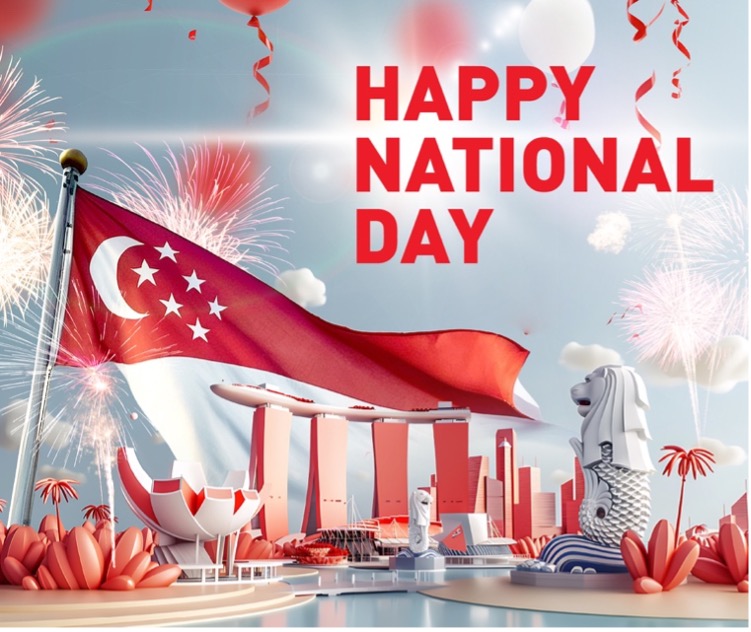
The image looked convincing, but the Singapore flag was incorrect.
If I had created the artwork using my traditional workflow, this particular mistake would probably never have happened. I would have sourced the flag from a reliable reference. After years of creating festive greetings, I had never drawn the Singapore flag incorrectly.
That experience taught me an important lesson: AI can make something look finished long before it is actually correct. When an image looks convincing, it is easy to stop questioning the small details. AI still needs a human to check the work.
“AI can make something look finished long before it is actually correct.”
What Happened When I Asked AI to Design a Logo
I also tested what would happen if I handed an entire logo brief to AI. The project involved refreshing the identity of an established organisation whose logo had been in use since 1987. Its existing symbol was a recognisable red house. The challenge was to create something more contemporary while retaining a sense of familiarity and communicating ideas such as community, care and progress.
I uploaded the brief and waited to see what AI would create. The first results were variations of the same house in different shapes. They technically looked like logos, but they did not resolve the design problem.

Initial AI output repeated the most literal element in the brief.
I added more prompts and tried again. Then again. The images changed, but the process still felt like repeatedly clicking regenerate and hoping that the next result would suddenly understand what I wanted.
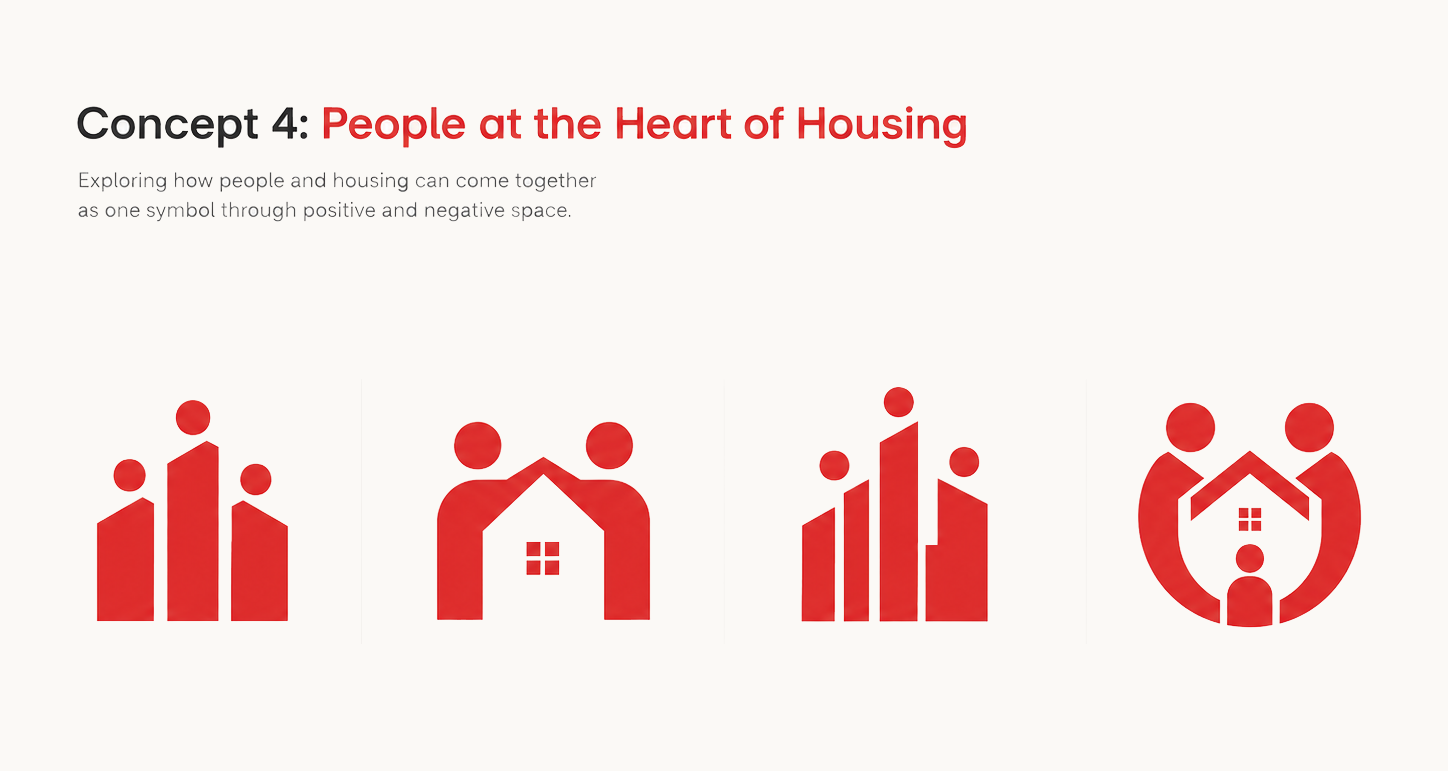
A second attempt explored people and community, but still felt generic.
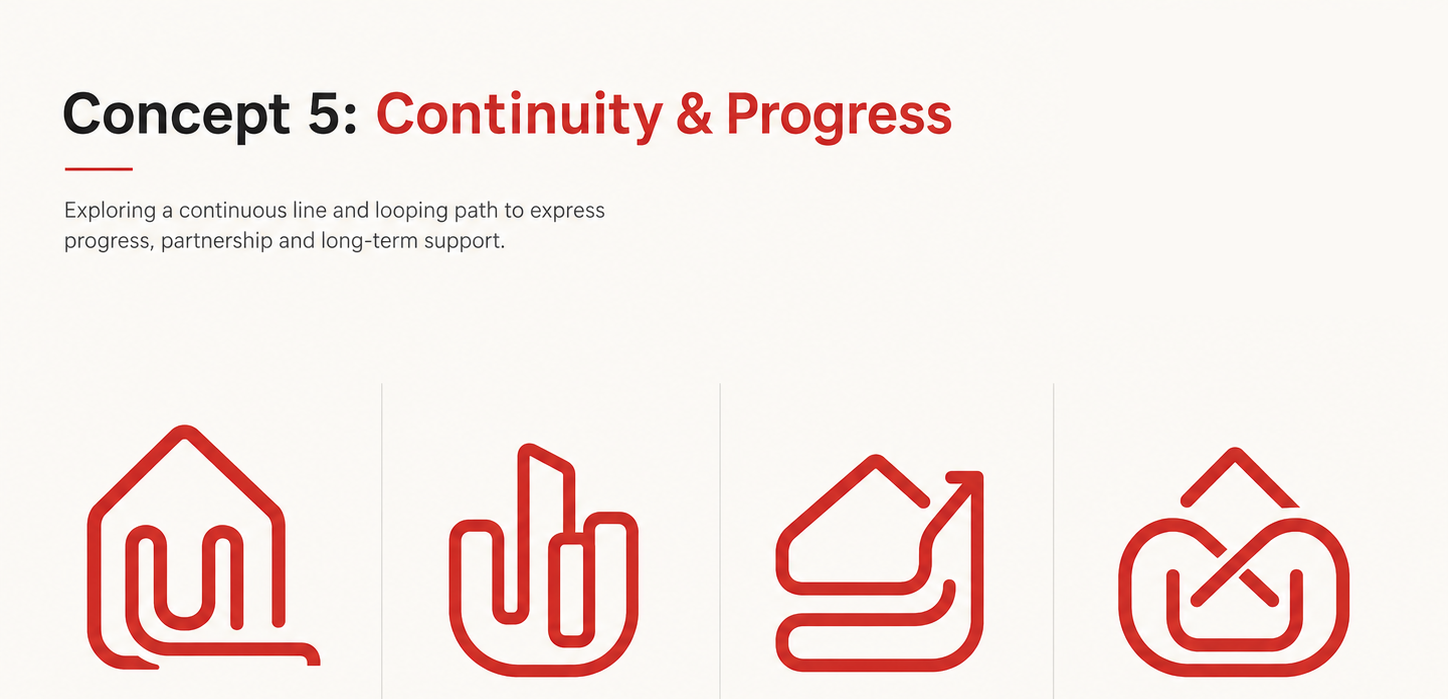
Another generated direction became more abstract without becoming more appropriate.
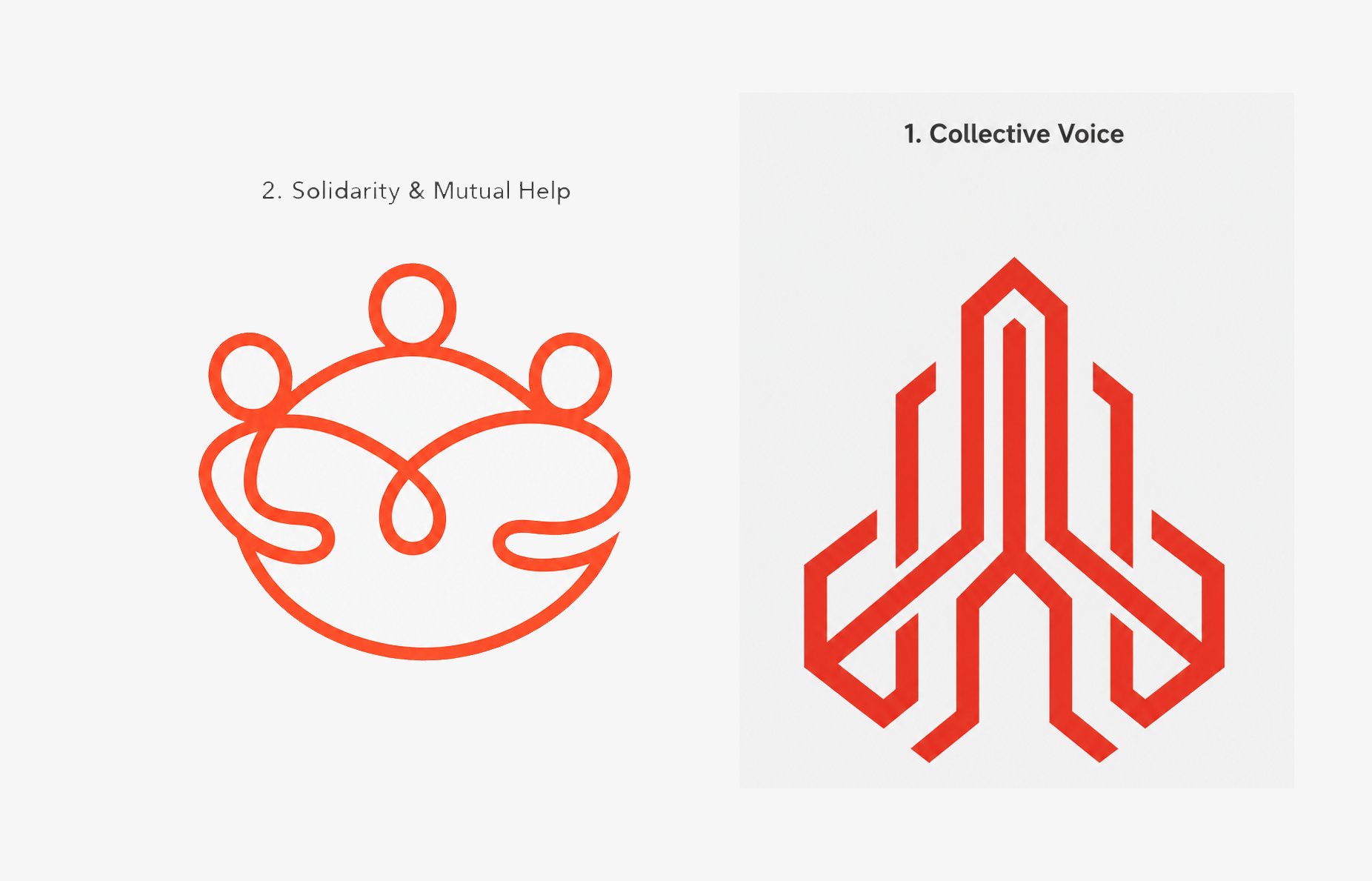
Further variations produced more options, but not a resolved identity.
Eventually, I realised that the main problem was not the AI. It was how I was using it. I was asking the tool to make the design decisions for me.
That is not how I normally approach a logo. I would first consider the organisation, its audience, personality, history and what the identity needs to communicate. AI was not failing to read my mind. I had skipped the most important part of the process: design thinking.
“The problem was not the AI. I was asking it to make the design decisions for me.”
AI Works Better When I Stop Asking It to Be the Designer
My results improved when I stopped asking, “Can you design this for me?” and started asking, “I know what I want to create. Can you help me with this specific part?”
I eventually threw away the AI-generated directions and went back to my usual design process. I started from scratch and designed the logo the traditional way — by thinking through the brief, sketching the idea, refining the form and deciding what the identity needed to communicate.
That was when I realised something simple but important: there was nothing wrong with the way I designed. I did not need AI to replace my design thinking. I needed to use it only where it actually helped.
Instead, I started using AI differently. I used it to help me express my thinking more clearly, especially when writing design rationales and proposal copy. For example, my own explanation might sound like this: “I used the company initials to create this design, where the letters are hidden in the icon and they form the buildings you see.”
AI helped me turn that rough thought into something clearer: “This concept uses a people-centred symbol to reflect the union’s role in standing with and supporting its members. The three human forms represent workers coming together as a collective voice, while also expressing solidarity, service, brotherhood, cooperation and mutual help.
The initials are subtly hidden within the forms, creating an added layer of meaning without making the mark too literal. By weaving the initials into one unified structure, the mark represents the union as an integral part of the organisation — supporting its members through unity, representation and trust.
The result is a modern and meaningful identity that places people at the heart of the union, while reflecting its continued commitment to staff welfare, collective support and a strong partnership.”
That is the kind of help I find useful. AI did not design the logo for me, but it helped me explain the design more clearly.
For this project, the client had only engaged me to design the logo. Packaging design, signage and shopfront visuals were not part of the original scope. However, with AI, I was able to create additional application visuals to help the client imagine how the logo could look in the real world.
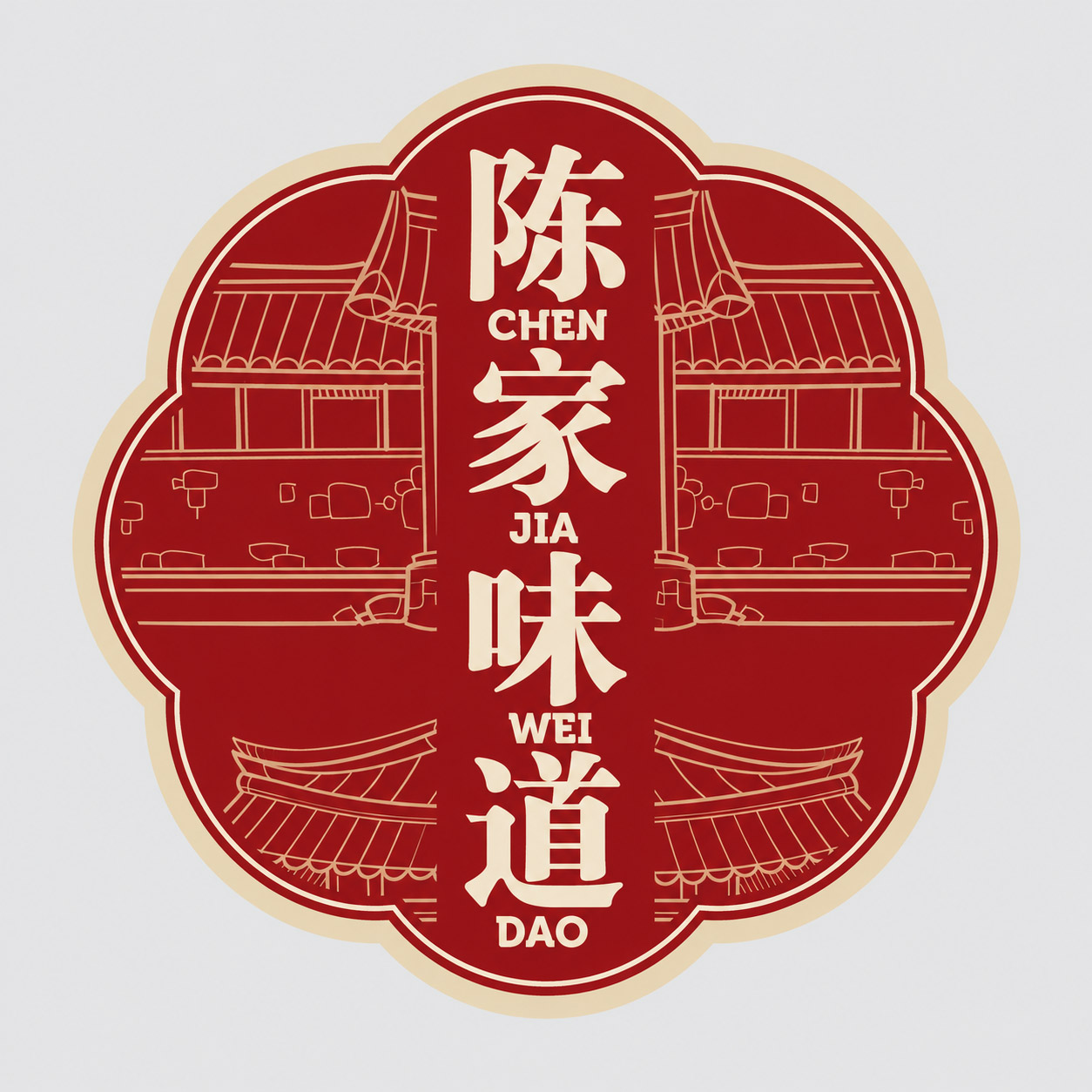
Logo design done and designed by me.
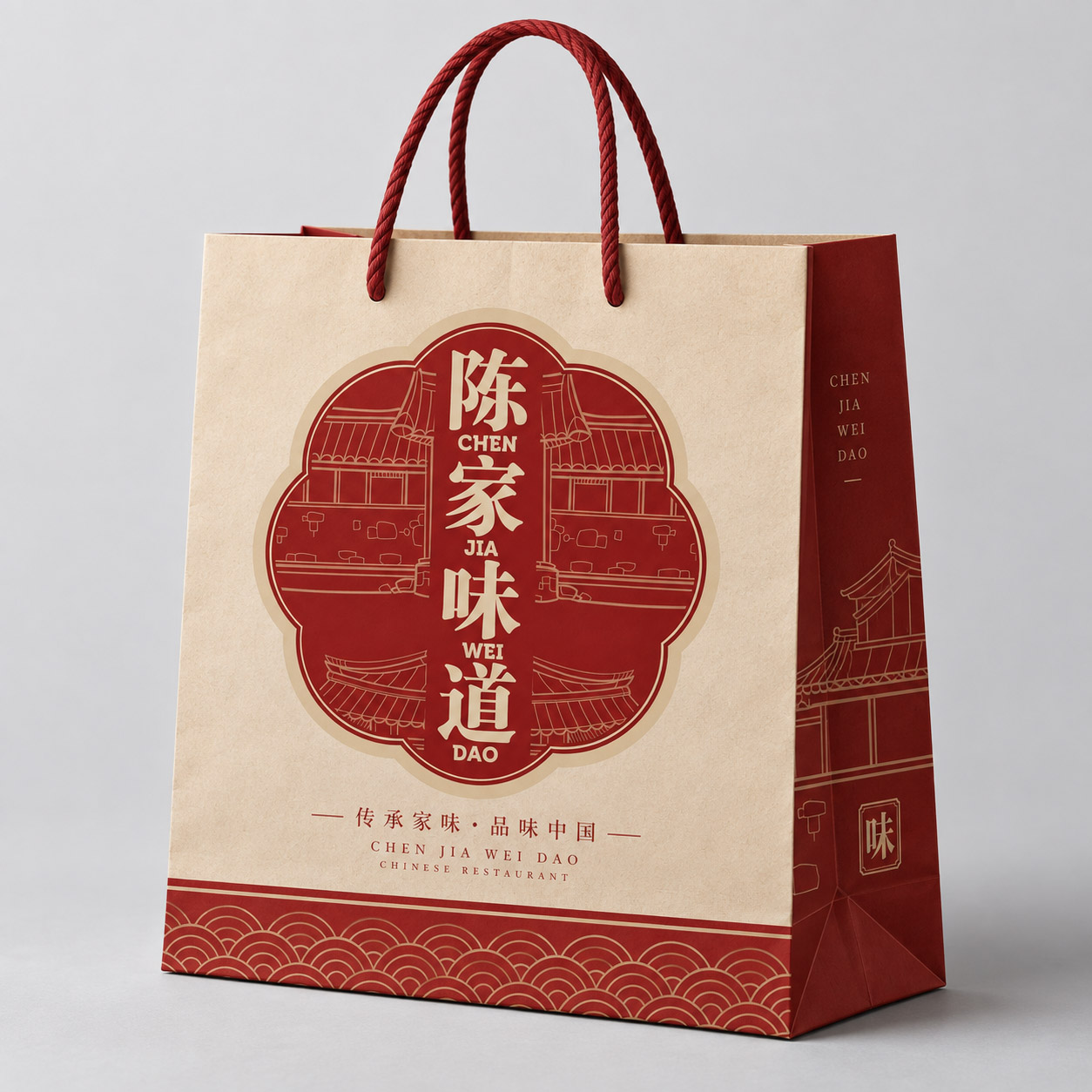

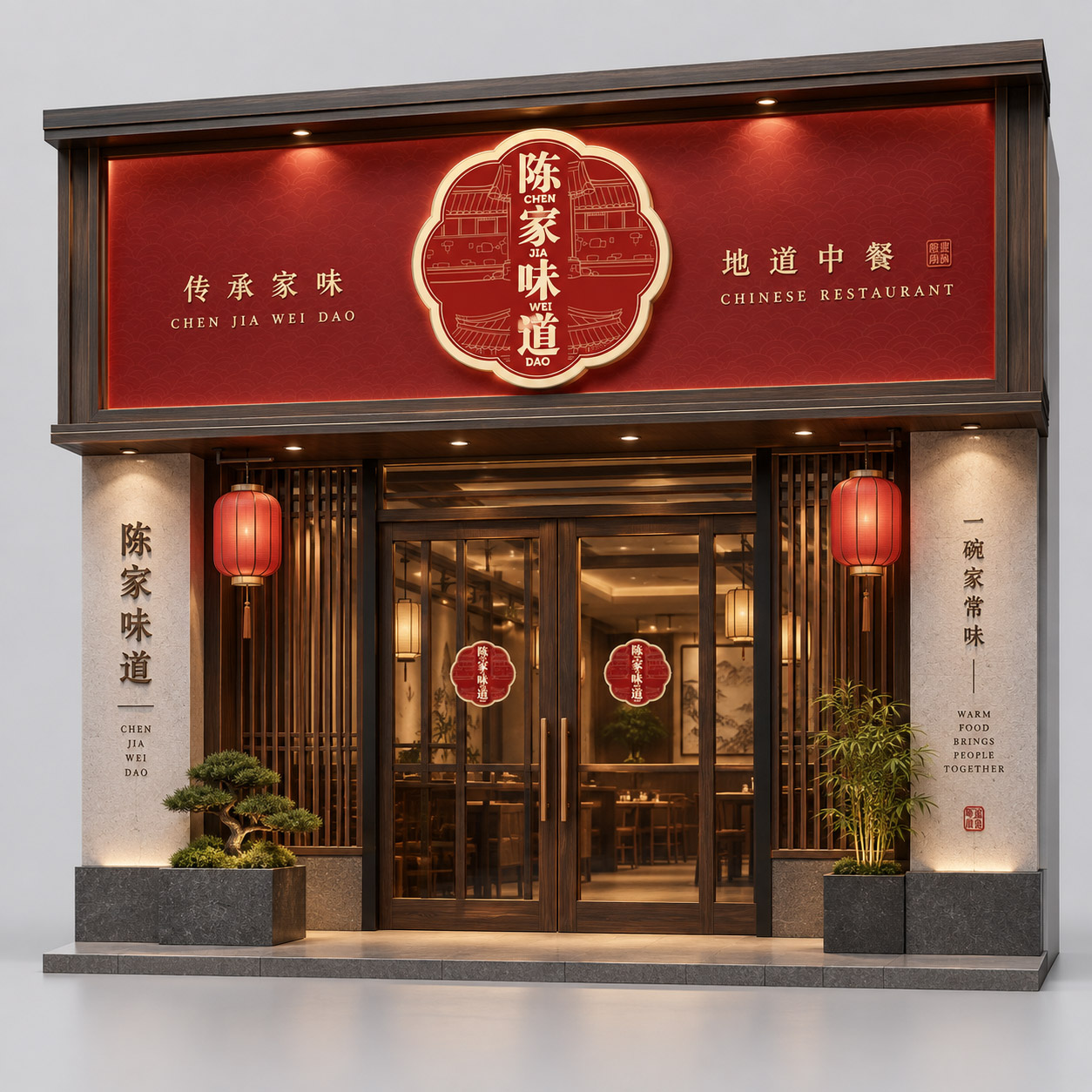
These mockups went beyond what the client had asked for, but they helped present the identity in a more complete and convincing way. To me, this is where AI becomes useful — not as a replacement for the designer, but as a tool that helps bring the design idea to life more quickly.
“I do not need AI to replace my design thinking. I need it to help where it is genuinely useful.”
AI Gives Designers More Time to Design
Graphic design is not entirely creative thinking. It also includes repetitive production work: cropping images, cleaning backgrounds, resizing artwork, creating mockups and tidying presentation copy.
If AI can take some of that work off my plate, I can spend more time thinking about the design itself. I see it as an extra pair of hands: extremely fast, occasionally completely wrong, and always in need of supervision.
“AI is like an extra pair of hands: extremely fast, occasionally completely wrong and always in need of supervision.”
The Difference Is Who Makes the Decisions
My preferred process is:
Brief → thinking → concept → create proposal → AI assistance → refinement → final proposal
It is not:
Brief → AI → regenerate → regenerate → regenerate → hope for the best
That, to me, is the difference between using AI as a designer and using AI as a design tool.
Do Clients Still Need Graphic Designers?
With the rise of Canva and now AI, it is natural to ask: is there still a need for graphic designers?
My answer is a resounding yes.
An expensive DSLR camera does not automatically make someone a photographer. In the same way, having access to Canva or AI does not automatically make someone a designer. These tools can help people create things faster, but design is about far more than arranging text, images and colours.
Clients are not just hiring a designer to make something look nice. They are hiring someone with the judgement to understand the brief, read between the lines, interpret feedback and make aesthetically sound decisions. A designer knows when a layout feels too busy, when a logo looks too generic, when a colour feels wrong for the audience, or when a beautiful design still fails to communicate the right message.
AI can generate options, but it cannot replace human judgement. It does not sit in a meeting, notice when a client hesitates over a colour, pick up on unspoken preferences, or understand why a technically perfect design simply does not feel right. It cannot judge how a logo will perform as a tiny app icon, on packaging, on signage, or in black and white.
The strongest designers will probably not be the ones who generate the most images or write the cleverest prompts. They will be the ones who know what they are trying to achieve, can recognise when the output is good or bad, and understand why.
That is design judgement.
“AI can generate options. A designer knows which option is right—and why.”
But beyond design judgement, there is also the human touch. Good design carries the thought, effort and care that went into it. It is the feeling that someone has listened, understood the problem, considered the details and made choices with intention. That emotional connection is what people respond to, even if they cannot always explain why.
AI can generate something that looks polished, but it cannot replace the instinct, empathy and lived experience that a designer brings into the work. At the end of the day, design is not only about creating something beautiful. It is about creating something that feels right for the people it is meant for.
Looking for a graphic designer who uses AI as a tool, not a shortcut? View my portfolio or get in touch to discuss your next logo, branding or design project.
“Good design carries the thought, effort and care that went into it. That human connection is something AI cannot create by itself.”


